

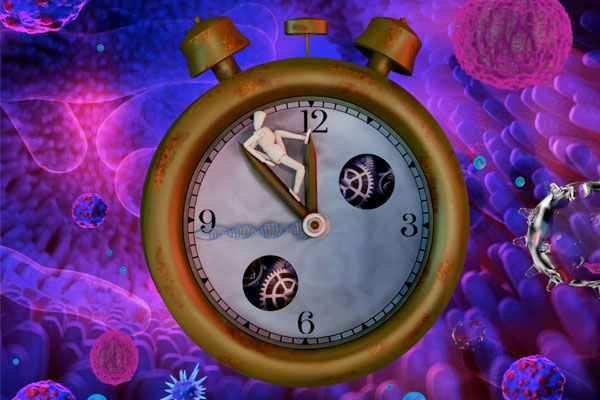
The first signs of cancer can appear years if not decades before diagnosis, scientists have said, raising hopes for new tests that would help detect the disease much earlier.
Cancer occurs as part of a lifelong process in which our genome (genetic material) changes over time. As cells in the body grow and divide, errors can be introduced in their DNA (mutation). While most of these changes do not significantly alter the functioning of our cells, some are harmful and are associated with the formation and growth of tumors. These DNA errors continue to accumulate in cancerous cells.
As we age, our cells cannot maintain the integrity of the genome and risk for mutation also increases. This process can be accelerated by various genetic predispositions and environmental factors, such as tobacco. Over our lifetime these mutations build up and cells may be miss-programmed, leading to cancer.
The scientists published their research in Nature on feb 6 as part of an international collaboration of over 1300 scientists known as the Pan-Cancer Analysis of Whole Genomes (PCAWG). The collaboration included Welcome Sanger Institute, Broad Institute of MIT and Harvard, Big Data Institute at the University of Oxford and Oregon Health & Science University. The project aims to identify and list the underlying patterns of mutation that give rise to many different cancer types. This study has significant implications for the understanding of tumor progression, as well as opening up possibilities for early diagnosis and clinical intervention.
The research findings suggest that tumor development can span the entire lifetime of an individual, The mutations that initiate cancer progression may arise decades before diagnosis For more than 30 cancers ( for example Ovarian cancer and certain brain tumors), we now know what specific genetic changes are likely to happen, and when these are likely to take place. Unlocking these mechanisms will provide a window of opportunity to develop new diagnostic tests that pick up signs of cancer much earlier. This research could revolutionize when and how we diagnose cancer in the future.