
Healthy food does genuinely decrease your cancer risk, It’s important to know that a lot of what we know about how nutrition influences cancer comes from various studies. That means researchers look across a population to see, for example, who eats more fruits, and then figure out whether those people get fewer diseases like cancer. The trouble is that people who eat a lot of fruit probably also have other healthy habits, like exercising regularly, and they’re more likely to be of a higher socioeconomic status that affords them better healthcare.
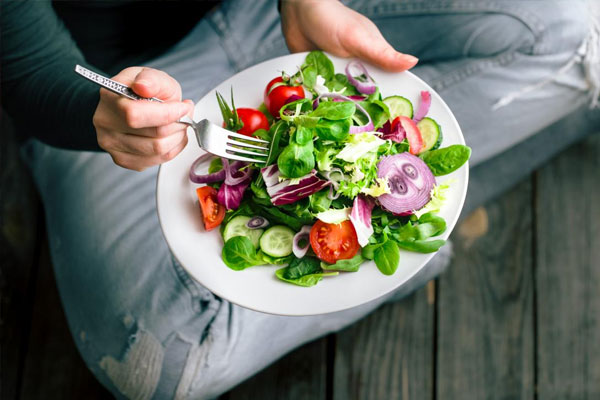
This means that only taking one recommendation is unlikely to have a huge impact on your cancer risk. You can eat all the fruits you want, but if you’re having red meat every day you’re unlikely to have a healthy colon. And if you're a super-healthy eater, having a serving of red meat once a week as a treat isn't going to greatly raise your cancer risk. But if you shift your whole diet toward more fruits, veggies, whole grains, and low-fat dairy—and away from red or processed meats and sugar—you have a better chance of staying healthy than if you ate carelessly. You’re even less likely to get cancer if you don’t drink alcohol or smoke, and if you get plenty of physical exercise.
Of course, many people follow all these recommendations and still get cancer. And some people will smoke and drink and eat chocolate bars every day of their lives and die at a ripe old age without ever developing cancer. It’s important to remember that neither end of that spectrum means that the recommendations are no good. Statistically, across an entire population, many tens of thousands fewer people would get cancer if everyone ate a healthy, balanced diet. And while cutting down on sugar and upping fiber intake isn't a magical cancer prevention method, good nutrition definitely won't do you any harm.